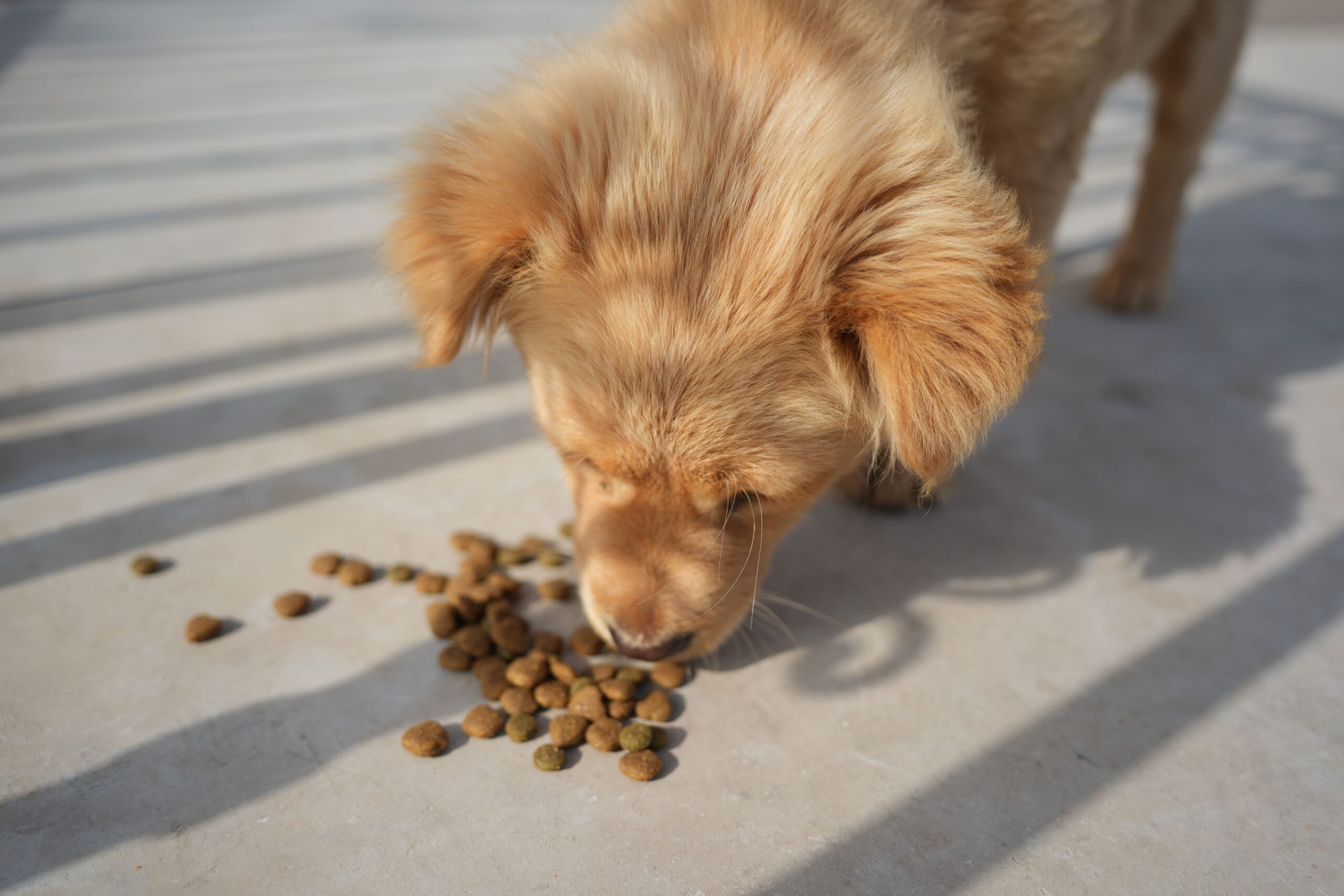
While you’re learning to take care of your new puppy, you’ll have to determine the best food to feed them. Puppies need high-quality, vitamin-rich foods to grow and develop into healthy adult dogs. For puppies, there are the right foods to feed them, and the wrong ones. It’s crucial to understand what foods are good for your puppy and which ones you should avoid giving them to help them develop healthy feeding habits. Here we’ve detailed the right and wrong foods to feed your golden retriever and golden doodle puppies.
What to Feed Your Puppy
There are lots of good foods your puppy needs to support their growth and development, including:
Regular Puppy Food
Commercial puppy food is designed to give your puppy the nutrition they need. This should be their main food source. Make sure it is food specific to puppies, as feeding a puppy adult dog food can cause deficiencies in their development. You’ll want to find foods with calcium and copper, which are critical for growth. We recommend feeding kibble to puppies as they’re high in nutrients, but you can mix some wet food in if needed.
Foods High in Protein
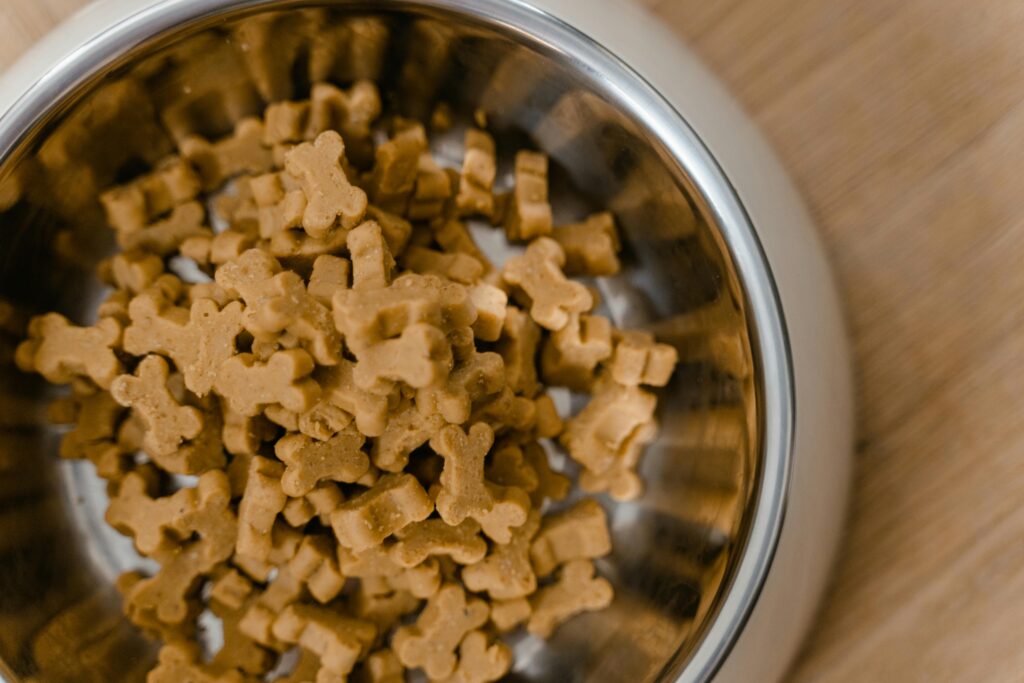
Foods that are high in protein are vital for a puppy’s muscle development. Dogs are carnivores, and their food should have a high content of quality meat. Unseasoned, boneless, and cooked chicken, lean beef, and turkey are all high-protein meats that are good to feed to puppies. Just make sure all puppy food is made with real meat, and stay away from meat by-products. Plain cooked eggs and kibble with high fish/meat content are also good high-protein foods.
Treats
You can give your puppy treats while training in moderation, just make sure you don’t disrupt their nutritional balance. Giving too many treats will raise their calorie intake. Treats should be no more than 10% of your puppy’s food intake. You can give human food as a treat in moderation; broccoli is a good veggie to give them periodically. Puppies can try people food once they’re 8 weeks old and have weaned off their mothers.
Fruits and Veggies
Some fruits and vegetables are good to feed your puppy in moderation. Carrots, green beans, broccoli, sweet potatoes, bananas, and blueberries are all high in nutrients for puppies. Bananas are low-calorie but high in vitamins, potassium, and fiber. They’re also high in sugar, so it’s particularly important to feed these in moderation. Cucumbers are high in vitamins, and blueberries are rich in antioxidants. Celery contains vitamins and nutrients that promote heart health. Carrots are packed with vitamin A, and the crunch is good for teething puppies.
What to Avoid Feeding to Your Puppy
There are lots of foods, specifically human ones, that are toxic or hazardous to dogs that you should avoid feeding them. If you suspect your puppy has eaten something they shouldn’t, call your veterinarian or ASPCA Poison Control.
Toxic Fruits and Veggies
While some fruits and veggies are good to give to puppies, many are toxic to dogs. Grapes and grape products can cause kidney failure in dogs and should always be avoided. Onions, garlic, and chives are also toxic, damaging red blood cells and causing anemia. Legumes have been linked to heart issues, and avocados contain a toxin called persin. Apples, peaches, and cherries can be eaten, but their cores, pits, and seeds are toxic and should be removed before feeding to your dog.
Chocolate
Chocolate contains theobromine, which is very toxic to dogs. Caffeine also contains theobromine and should be avoided. These have methylxanthine concentrations in them, which can cause vomiting, excessive thirst, and more when your puppy ingests them. The higher the chocolate or caffeine content, the more toxic it is to your dog.
Artificial Sweeteners
Xylitol is an artificial sweetener, generally found in gum, candy, some peanut butter, and baked goods. This sweetener is highly toxic to dogs, causing low blood sugar and liver damage. Double-check the ingredient lists of any foods before feeding them to your puppy to verify they don’t contain xylitol. We also recommend avoiding artificial preservatives like BHA and BHT, which can be a sign of low-quality food.
Fatty Foods
Bacon, fried foods, and fat trimmings can cause weight issues, an upset stomach, and pancreatitis in puppies. Dairy can also be harmful for puppies who are lactose intolerant, as cow’s milk can be difficult for them to digest. Monitor your puppy closely to see if they need to be taken to a vet.
Grains
Grains like maize, wheat, corn, and rice can be in your puppy’s food, but should not be the main ingredient. Brown rice and oatmeal have fiber and give energy, but should be fed in moderation. Grains are high in carbs, which can be difficult to digest, and the puppy may gain too much weight too quickly. Some puppies do better on grain-free diets, but sticking to foods high in protein is key.
Feeding Specific Breeds
Golden Retrievers
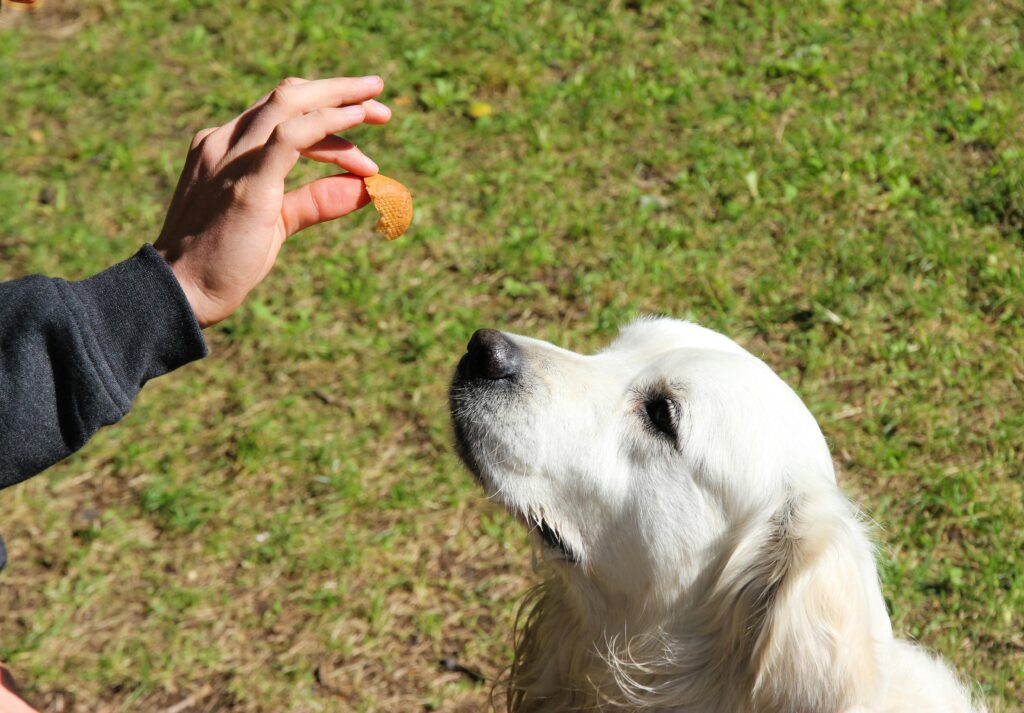
Golden Retrievers need high-quality, large-breed puppy food to prevent them from growing too fast. These dogs grow rapidly and need good food to manage their growth and support their joints. Choose food with calcium and phosphorus for large breeds, chicken and fish for protein, and DHA for brain development. Ensuring the food is high in protein supports their muscle mass. The right foods will help your puppy grow steadily, just don’t feed them too many calories.
Golden Doodles
Golden Doodles have similar food needs to Golden Retrievers, but they can have sensitive stomachs, so be mindful of that. Golden Doodles are prone to chicken allergies, so substitute with salmon or lamb to give them protein. These puppies will also need a large-breed puppy food to manage their calcium levels and prevent joint issues during growth. Mini Golden Doodles have similar requirements, just need smaller amounts and a small-breed food instead.

Find Puppies with Blissful Paws
Give a puppy a good home through Blissful Paws. Check out our available Golden Retriever, Golden Doodle, and Mini Golden Doodle puppies that are looking for a new home. To help you take care of your new puppy, check out our puppy care guide for some helpful information. If you’re ready to get started, contact us today!